
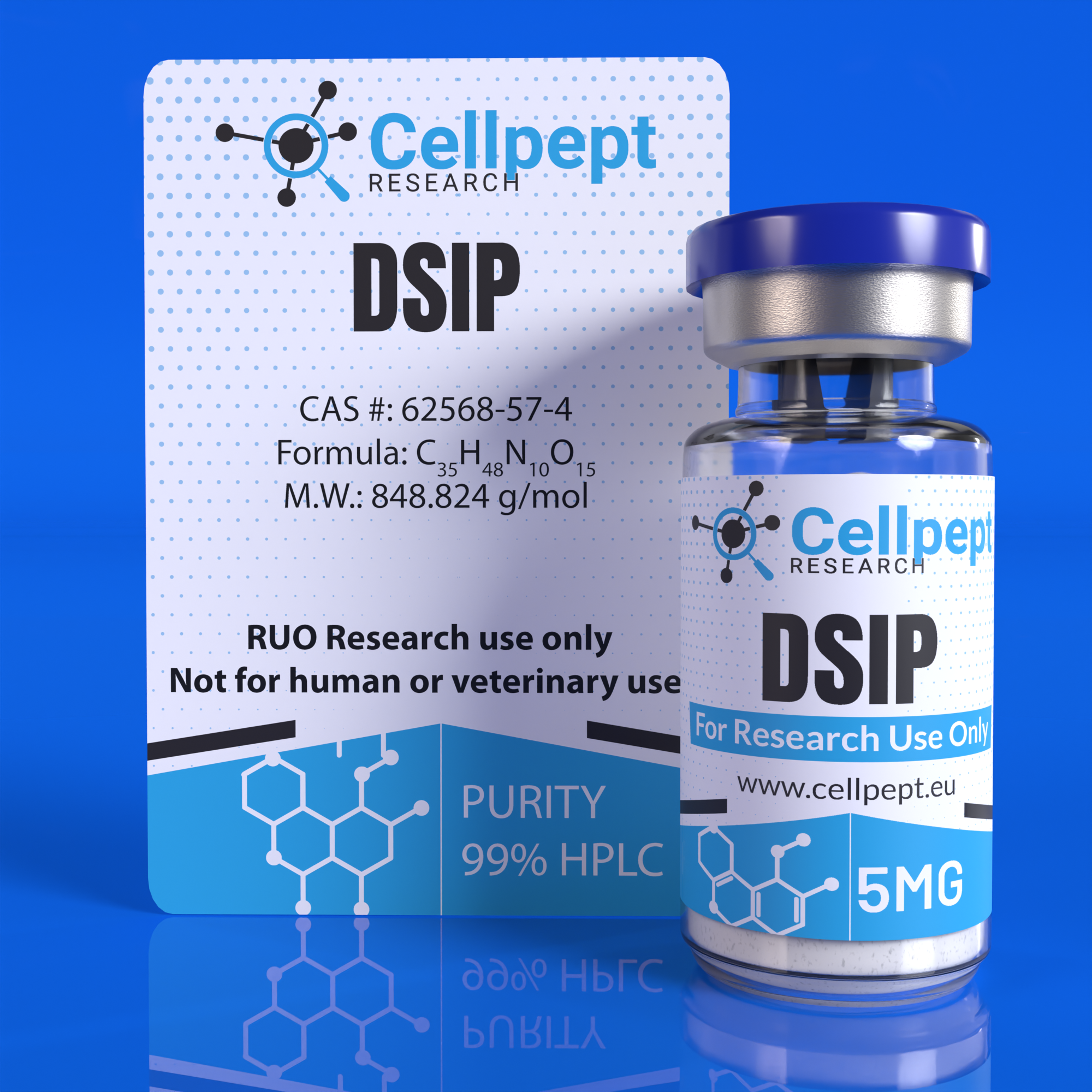

Delta Sleep-Inducing Peptide (DSIP) is a neuropeptide initially discovered in the 1970s during studies on sleep regulation. Extracted from the hypothalamus of rabbits, it was named for its ability to induce delta-wave activity in electroencephalograms (EEG), associated with deep, non-REM sleep. Although its precise mechanism of action remains a subject of ongoing investigation, DSIP is known to interact with multiple neuroendocrine and neuronal pathways, making it a versatile tool in sleep and stress research.
DSIP primarily functions by modulating the central nervous system, particularly through interactions with GABA and NMDA receptors. These interactions reduce excitatory neuronal activity, facilitating the onset and maintenance of deep sleep. It also influences melatonin secretion by acting on the pineal gland, promoting circadian rhythm alignment. Unlike many sedatives, DSIP does not induce dependency, and its effects are generally restorative rather than suppressive.
One of the peptide’s most intriguing roles is its impact on the hypothalamic-pituitary-adrenal (HPA) axis, where it modulates the secretion of adrenocorticotropic hormone (ACTH) and cortisol. This regulation is crucial for mitigating stress-related disorders, as chronic cortisol elevation is associated with anxiety, depression, and metabolic disturbances. DSIP’s ability to reduce cortisol levels makes it particularly effective for conditions characterized by stress-induced insomnia.
The peptide has also demonstrated analgesic properties, believed to be mediated through the endogenous opioid system. By enhancing the release of beta-endorphins and modulating pain-related neural circuits, DSIP increases pain tolerance and provides relief from chronic and neuropathic pain. Additionally, DSIP exhibits neuroprotective effects, with studies showing reductions in oxidative stress and stabilization of mitochondrial membranes, protecting neurons from apoptosis and ischemic damage.
DSIP is most often explored for its applications in sleep disorders, stress management, and chronic pain conditions. Its rapid degradation in plasma suggests it works as a signaling molecule rather than a long-acting compound, leading to transient but significant effects. Research continues to explore its full therapeutic potential, including possible roles in managing neurodegenerative diseases and enhancing recovery from sleep deprivation.
FOR RESEARCH USE ONLY
The influence of synthetic DSIP (delta-sleep-inducing-peptide) on disturbed human sleep
(DSIP): An overview of central actions and possible relationship to psychiatric illnesses
Dsip-a Tool for Investigating the Sleep Onset Mechanism: A Review
Frequently Bought Together

Reviews
Clear filtersThere are no reviews yet.