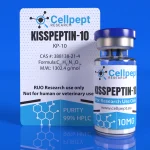
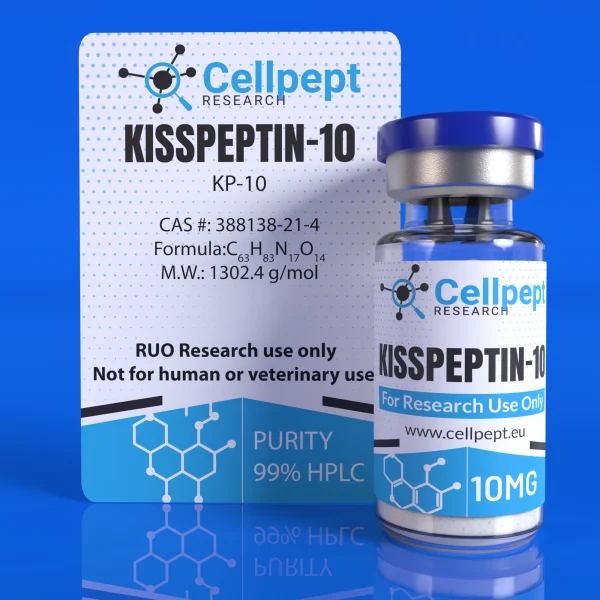
Kisspeptin-10 operates within the body through a sophisticated mechanism that is central to the modulation of reproductive and endocrine functions. At the molecular level, kisspeptin-10 is a decapeptide, comprised of ten specific amino acids, including arginine, phenylalanine, and tyrosine, which are essential for its structural integrity and biological function. When kisspeptin-10 binds to the kisspeptin receptor KISS1R, a G-protein coupled receptor located on the surface of certain cells in the hypothalamus, it initiates a profound biochemical cascade.
The binding of kisspeptin-10 to KISS1R activates the associated G-protein, which in turn stimulates phospholipase C (PLC). The activation of PLC leads to the hydrolysis of phosphatidylinositol 4,5-bisphosphate (PIP2) into diacylglycerol (DAG) and inositol 1,4,5-trisphosphate (IP3). IP3 binds to its receptors on the endoplasmic reticulum, causing a release of calcium ions into the cytoplasm. This surge in intracellular calcium activates various downstream effectors, including protein kinase C (PKC). PKC plays a pivotal role in numerous cellular processes, including the modulation of neurotransmitter release and gene expression.
One of the critical outcomes of this signaling cascade is the stimulation of the secretion of gonadotropin-releasing hormone (GnRH) from GnRH neurons in the hypothalamus. GnRH is released into the hypophyseal portal system in a pulsatile manner, a critical feature for its effectiveness in regulating the synthesis and secretion of luteinizing hormone (LH) and follicle-stimulating hormone (FSH) by the anterior pituitary gland. These hormones play vital roles in reproductive health, facilitating processes such as ovulation in women and spermatogenesis in men.
The pulsatile nature of GnRH secretion is crucial for optimal reproductive function, and kisspeptin-10 enhances both the frequency and amplitude of these pulses. Research shows that administration of kisspeptin-10 can significantly increase LH levels from a baseline of about 5 mIU/mL to approximately 12 mIU/mL. This effect is indicative of the peptide’s potent role in modulating gonadotropin levels.
In clinical settings, kisspeptin-10 has been explored for its potential to treat conditions like hypogonadotropic hypogonadism, a disorder characterized by inadequate levels of gonadotropins and resultant impaired pubertal development and infertility. By enhancing GnRH and subsequently gonadotropin secretion, kisspeptin-10 can effectively ameliorate symptoms of this disorder, thereby improving gonadal function and enhancing fertility.
Moreover, the application of kisspeptin-10 in fertility treatments highlights its potential to trigger natural ovulatory cycles, which can be particularly beneficial in assisted reproduction technologies such as in vitro fertilization (IVF). By using kisspeptin-10 to induce the maturation of oocytes and the timing of ovulation, clinicians can optimize IVF protocols, offering a more physiological and potentially safer alternative to traditional treatments that require the use of exogenous hormones.
Overall, the function of kisspeptin-10 in the body is a testament to its critical role in bridging neural signaling and reproductive function, making it a focal point for further research and therapeutic development in reproductive medicine.


Reviews
Clear filtersThere are no reviews yet.